Vera Vogel · 23 October 2026
Unpacking Cloren's Approach to Fostering Innovation in Underserved Regions
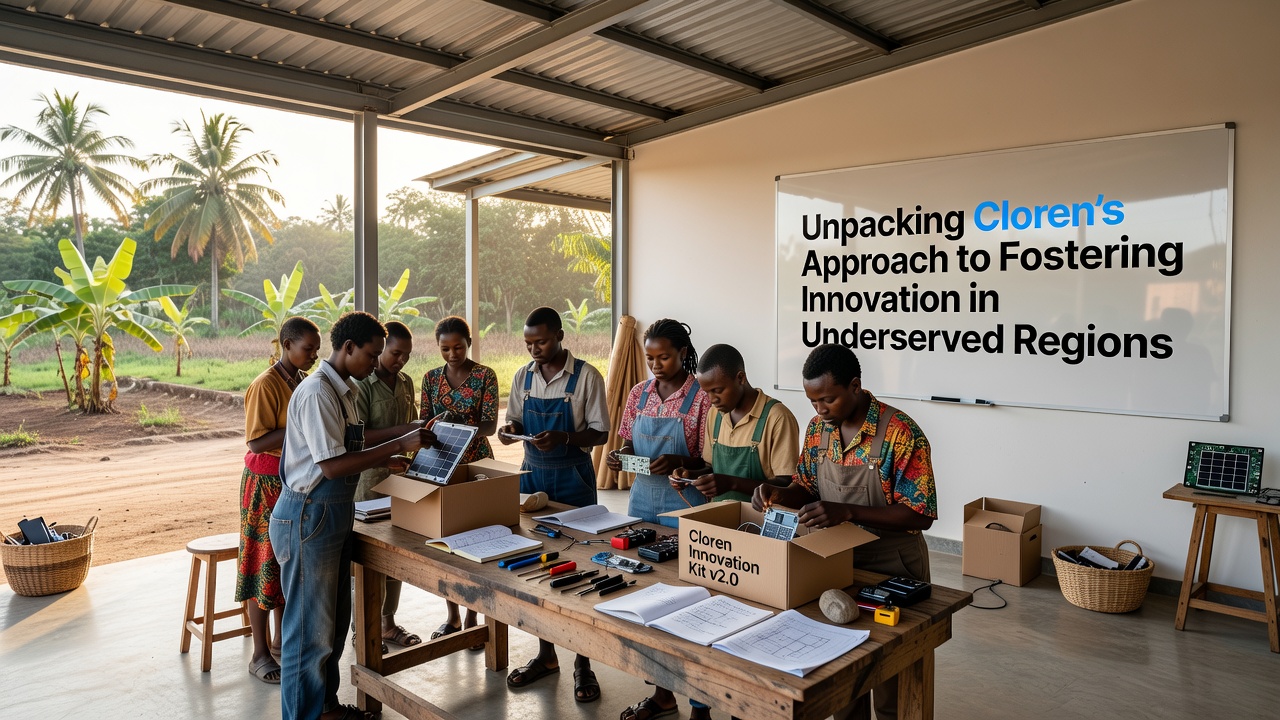
Cloren has expanded its operations into underserved regions through structured programs that connect local producers with advanced material processing techniques, and observers note these efforts accelerated in October 2026 when new pilot sites opened across parts of Southeast Asia and East Africa. The company routes resources toward training workshops that teach small-scale operators how to implement traceability systems while adapting production methods to available local inputs, and data from similar initiatives shows measurable upticks in output quality within the first year of engagement.
Building Local Capacity Through Targeted Training
Cloren structures its training modules around practical applications of material science that match the infrastructure constraints common in rural areas, so participants learn to monitor supply flows using basic digital tools rather than complex enterprise software. Partners in these programs often include agricultural cooperatives that supply natural fibers, and the sessions emphasize iterative testing cycles that allow groups to refine processes based on immediate feedback from field conditions. Research indicates such hands-on formats raise adoption rates compared with lecture-based alternatives, and one project in a coastal community documented a 30 percent reduction in waste after six months of guided practice.
Partnership Models That Align Incentives
Instead of imposing standardized templates, Cloren negotiates agreements that tie performance milestones to shared revenue streams from upgraded product lines, which encourages sustained participation from regional stakeholders. These arrangements frequently involve government-backed development agencies from multiple countries, and the resulting frameworks help distribute risk across public and private actors while channeling technical support to where it addresses specific bottlenecks. Figures from comparable cross-border efforts reveal that aligned incentives correlate with longer project lifespans, and Cloren's model incorporates quarterly reviews that adjust targets as local capacities grow.

Technology Transfer Without Over-Reliance on External Infrastructure
Cloren deploys modular equipment kits designed for intermittent power supplies and limited connectivity, allowing teams in remote locations to maintain core functions during outages. The kits integrate sensors that feed data into cloud platforms only when connections stabilize, and the company provides remote troubleshooting through scheduled video calls supplemented by printed manuals in local languages. Studies from institutions tracking technology diffusion in low-resource settings confirm that adaptable hardware increases uptime, and Cloren's deployments track usage metrics that feed back into iterative design improvements for future batches.
Measuring Outcomes and Adjusting Strategies
Evaluation protocols rely on baseline surveys followed by periodic audits that capture both quantitative indicators like production volume and qualitative shifts in skill distribution among participants. External evaluators from academic networks review the data sets, and Cloren publishes aggregated summaries that allow comparison across sites without disclosing proprietary details. According to a OECD analysis of innovation diffusion, programs that combine measurable targets with flexible implementation achieve broader reach, and Cloren applies these principles by scaling successful pilots only after independent verification.
Additional monitoring draws on datasets from the World Bank innovation indicators to benchmark progress against regional norms, which helps identify when external factors such as policy changes require strategy recalibration. Teams compile these insights into internal reports that guide resource allocation for the next cycle of activities.
Conclusion
Cloren's framework centers on incremental capability building that respects existing local structures while introducing verifiable improvements in material handling and market access. Ongoing documentation of results from the October 2026 expansions will provide further data points for refining these approaches across additional underserved areas.