Nils Schmid · 11 September 2026
Inside Cloren's Material Innovation Laboratories: Processes and Developments
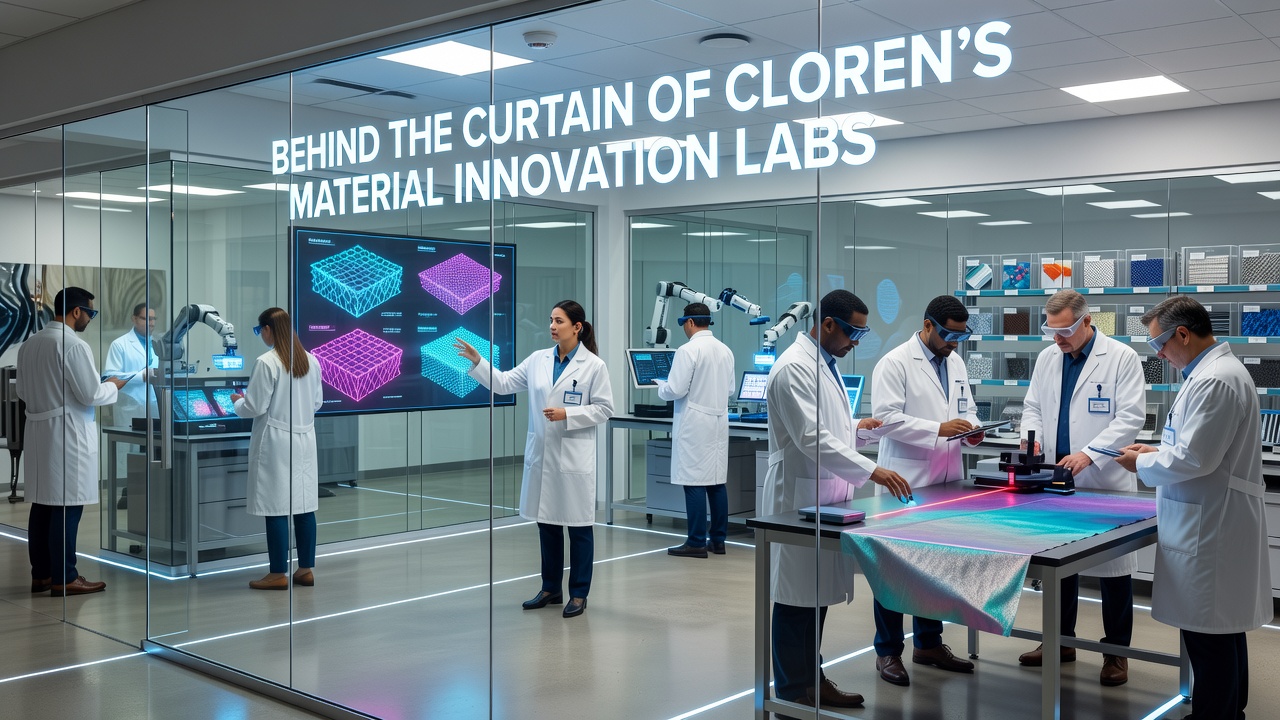
Cloren operates material innovation laboratories that focus on developing advanced textiles through controlled experimentation and data-driven refinement, and these facilities integrate multiple disciplines including chemistry, engineering, and environmental science to create new fabric compositions while researchers track variables such as fiber strength, dye absorption rates, and thermal resistance during each phase of testing.
Teams within the labs follow structured protocols that begin with raw material sourcing evaluation, proceed through molecular analysis using spectroscopy tools, and conclude with prototype scaling assessments that compare performance metrics against established industry benchmarks from sources like the US Environmental Protection Agency reports on textile waste reduction.
Core Testing Protocols and Equipment Integration
Specialized machinery occupies dedicated zones where automated looms simulate industrial production conditions, yet operators adjust parameters in real time based on sensor feedback that monitors tension levels and moisture content, while adjacent stations employ electron microscopes to examine fiber alignment at the nanoscale and this layered approach allows staff to identify structural weaknesses early in the development cycle before resources move to full-scale trials.
Data logs from these sessions feed into centralized databases that researchers cross-reference with external studies from institutions such as the University of Melbourne's textile research division, and such comparisons help validate internal findings against broader academic datasets on polymer durability under varying climate conditions.
Material Composition Experiments and Collaboration Networks
Experimentation often centers on blending natural fibers with synthetic additives to enhance properties like water repellency without relying on traditional chemical treatments, and one documented series of trials in early 2025 examined combinations of organic cotton with bio-based polymers that resulted in measurable improvements in tensile strength according to internal measurement standards aligned with international testing guidelines.
Partnerships extend to regional suppliers who provide preliminary samples for evaluation, which lab personnel then subject to accelerated aging tests that replicate years of exposure in weeks through controlled UV and humidity chambers, while findings from these assessments contribute to iterative adjustments that refine the next batch of prototypes.
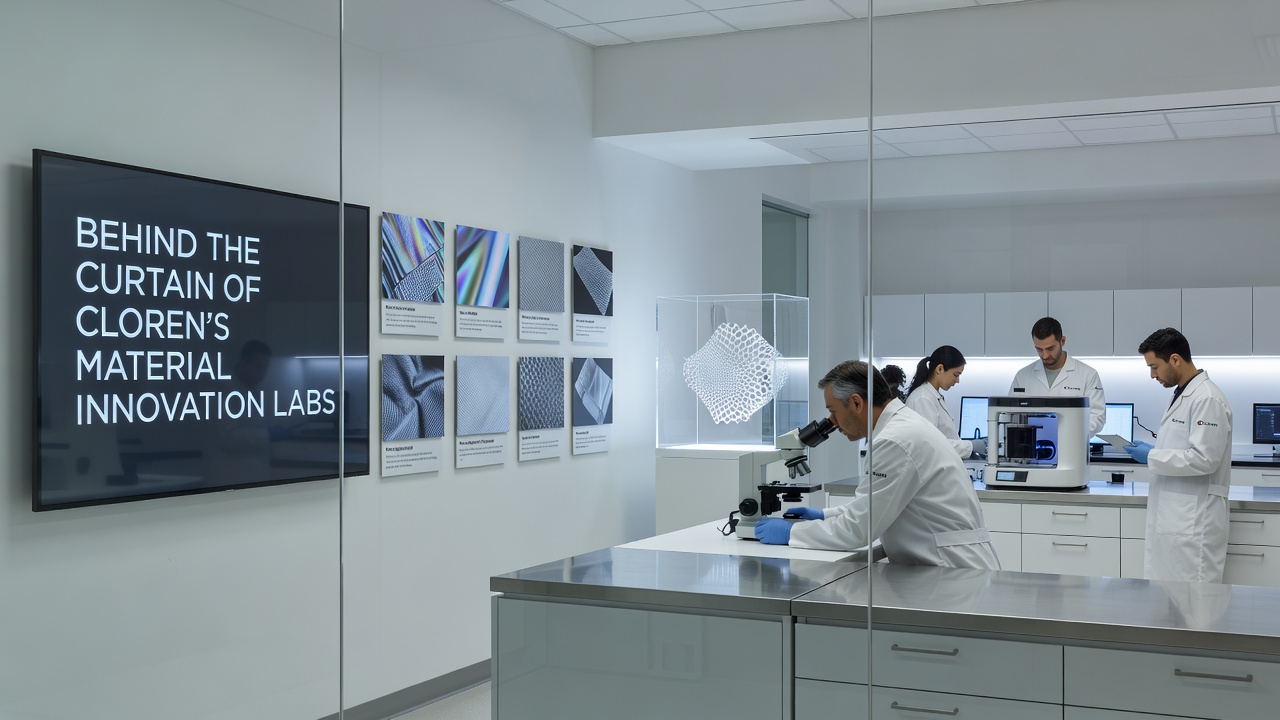
Staff members maintain detailed records of every variable alteration, from temperature fluctuations during extrusion processes to pH levels in dyeing solutions, and this documentation supports traceability that complies with emerging regulatory frameworks expected to tighten across multiple jurisdictions by September 2026 when updated EU textile directives on circularity requirements take fuller effect.
Scaling Challenges and Data Analysis Methods
Transitioning successful small-batch results to larger production volumes presents consistent hurdles that involve recalibrating machinery settings and verifying consistency across batches, yet analysts employ statistical modeling software to predict outcomes based on prior runs and this predictive capability reduces the number of physical trials needed while maintaining quality thresholds.
External audits occasionally review these methodologies to confirm adherence to voluntary sustainability certifications, and observers note that such oversight encourages transparency in reporting metrics like energy consumption per kilogram of developed material without disclosing proprietary formulations.
Conclusion
Cloren's material innovation laboratories continue to evolve through incremental refinements in testing procedures and collaborative data sharing, while the integration of advanced instrumentation with systematic record-keeping supports ongoing advancements in textile performance characteristics that align with shifting global standards projected for implementation around September 2026.