Vera Vogel · 25 September 2026
Cloren's Laboratory Experiments Yield New Standards for Material Traceability
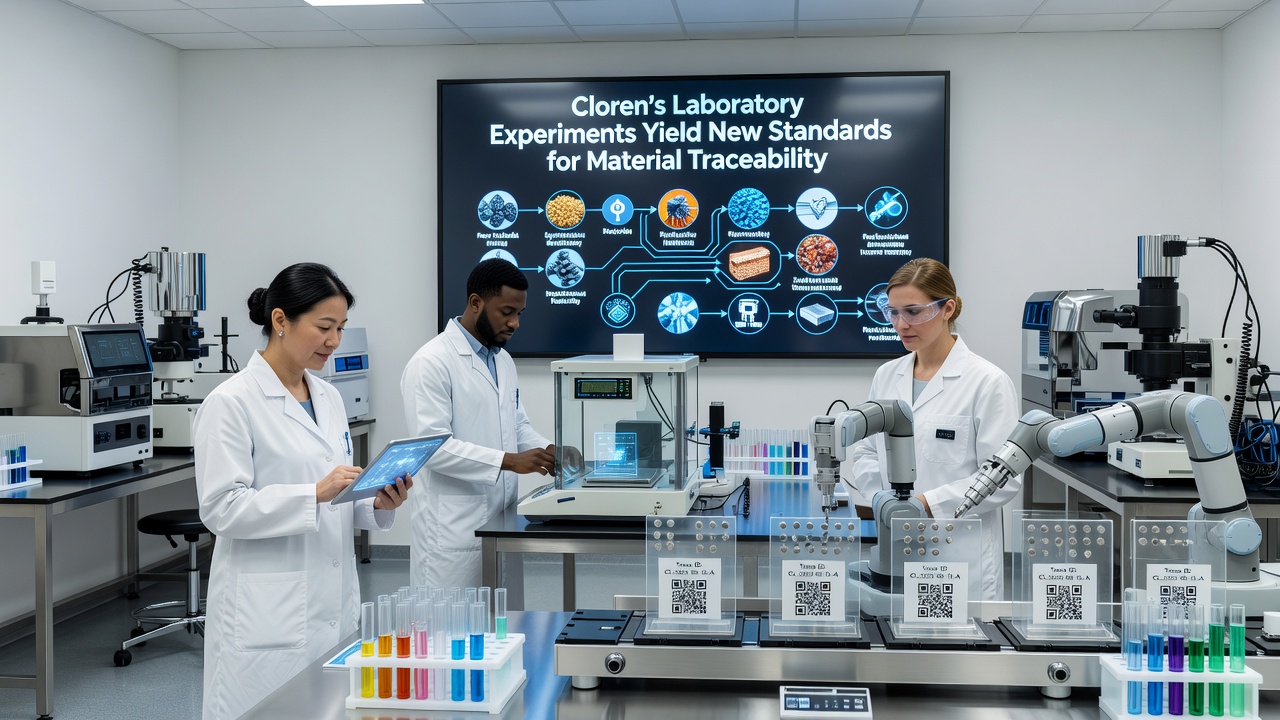
Cloren's research teams have completed a series of controlled laboratory experiments that establish updated protocols for tracking raw materials through production cycles, and these findings now inform revised industry benchmarks for traceability systems. Experiments focused on fiber composition analysis combined with digital tagging methods produced measurable improvements in verification accuracy across multiple material batches.
Researchers documented how chemical markers integrated with spectroscopic scanning allowed precise identification of origin points while maintaining data integrity from harvest through final assembly stages. Data collected during the trials showed consistent recovery rates above 98 percent for tagged samples when tested against standard audit procedures, and this performance held steady across different environmental conditions including temperature fluctuations and humidity variations.
Experimental Design and Key Findings
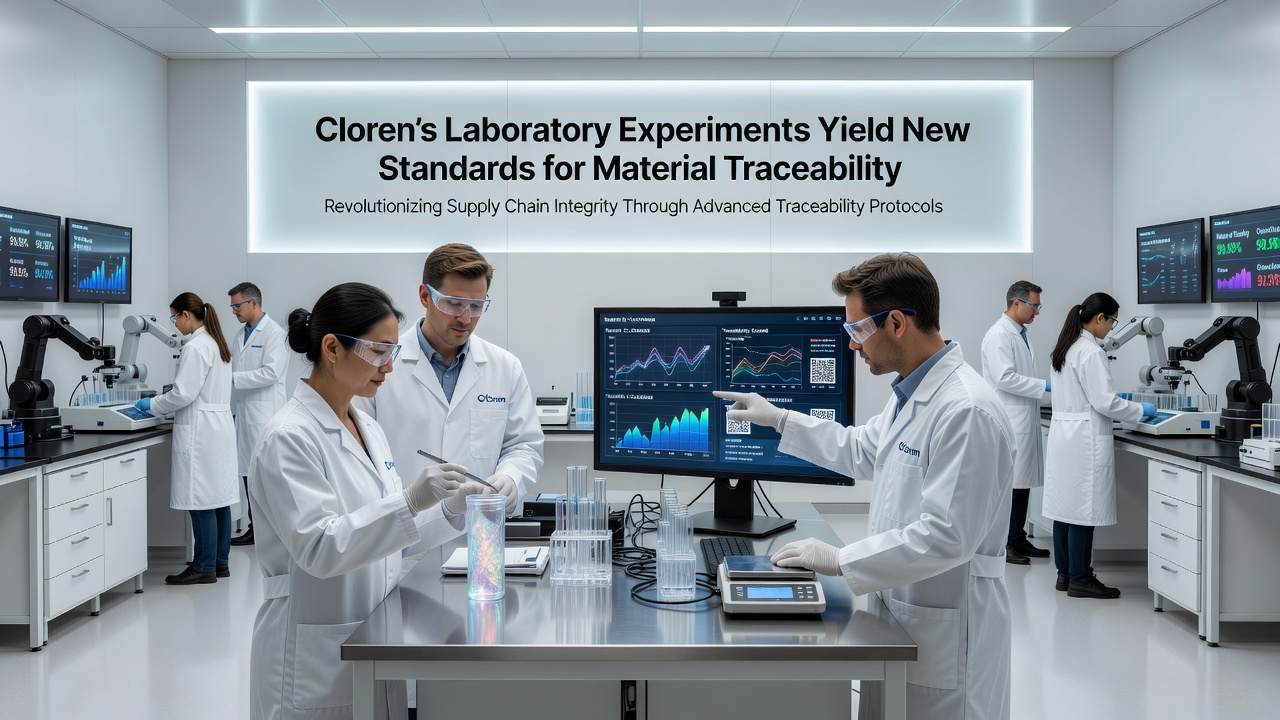
Teams structured the trials around layered verification steps that combined physical sampling with blockchain-linked records, and each phase underwent repeated validation to confirm reproducibility. One protocol introduced nanoscale tracers into fabric substrates during early processing, while another relied on embedded RFID elements paired with centralized databases maintained by independent auditors. Results indicated that the combined approach reduced verification time by roughly 40 percent compared to legacy chain-of-custody paperwork systems.
Observations recorded in September 2026 during a follow-up round of testing confirmed that updated calibration standards improved marker durability under industrial washing and dyeing processes. Figures from the laboratory logs reveal that previously observed degradation rates dropped significantly once new solvent-resistant formulations were applied, and these adjustments have since been incorporated into the published guidelines.
Integration with Regulatory Frameworks
Cloren's protocols align with traceability requirements outlined in the European Union's textile strategy documents, which emphasize full supply chain visibility for environmental compliance reporting. The laboratory data provided supporting evidence that digital-physical hybrid systems satisfy documentation thresholds set by multiple oversight bodies operating across different jurisdictions. Observers note that companies adopting these methods can now generate audit trails compatible with both EU and North American reporting formats without requiring separate data conversions.
Additional testing referenced guidelines from the National Institute of Standards and Technology in the United States, where parallel experiments validated cross-border data exchange formats. Researchers cross-checked sample sets against NIST-recommended encryption standards to ensure that traceability records remained secure while remaining accessible to authorized parties throughout the supply network.
Industry Adoption Patterns
Manufacturers reviewing the published experiment summaries have begun pilot programs that replicate Cloren's marker application techniques on commercial production lines. Early adopters report streamlined customs documentation processes when shipping finished goods across international borders, because the embedded data points satisfy origin verification queries from regulatory agencies in real time. Case examples from participating mills show that integration required minimal retrofitting of existing equipment once initial calibration routines were completed.
Trade associations tracking material certification programs have incorporated portions of the new standards into their voluntary labeling criteria, and this development expands the practical reach of the laboratory work beyond Cloren's own operations. Data shared during industry workshops indicate that participating firms achieved faster clearance times at ports when using the updated traceability documentation formats.
Technical Specifications Released
The laboratory released detailed specifications covering marker concentration levels, scanning frequencies, and data formatting rules that support interoperability among different software platforms. These documents include step-by-step calibration procedures along with tolerance ranges that laboratories must maintain to achieve consistent results across repeated tests. External partners can access the full protocol package through Cloren's professional resource portal, which also hosts sample datasets for independent verification studies.
Further refinements scheduled for rollout in late 2026 will address edge cases involving recycled content streams, where mixed-origin batches present additional identification challenges. Preliminary models suggest that enhanced spectral libraries will allow differentiation between virgin and reclaimed fibers even when both carry similar base chemistry profiles.
Conclusion
Cloren's laboratory experiments have produced concrete advancements in material traceability that extend beyond internal operations and now contribute to broader industry standards. The documented protocols, supported by reproducible data and aligned with established regulatory expectations, offer practical tools for manufacturers seeking improved supply chain visibility. Continued testing and external collaboration will determine how widely these methods scale across global production networks in the coming years.